Garden Waste Rubbish Collection Brimsdown Season Tips 2026
Posted on 06/08/2026
Garden Waste Rubbish Collection Brimsdown Season Tips 2026: A Practical Local Guide
If your garden in Brimsdown is doing that familiar spring burst, summer sprawl, autumn leaf drop, or winter tidy-up shuffle, you already know the problem: green waste builds up fast. Garden Waste Rubbish Collection Brimsdown Season Tips 2026 is really about staying ahead of that cycle, so your outdoor space stays manageable without turning into a weekend-long slog. Whether you are trimming a modest front patch or clearing a bigger back garden after a wet spell, the right approach saves time, keeps things tidy, and helps avoid unnecessary cost.
In this guide, we look at how seasonal garden waste collection works, what to do at different times of year, the mistakes people make, and how to choose a sensible disposal route. We will also touch on local expectations around waste handling in Enfield, because let's face it, nobody wants a neat garden and a messy pile of cuttings sitting by the fence for three days.
Why Garden Waste Rubbish Collection Brimsdown Season Tips 2026 Matters
Garden waste is one of those jobs that looks small until it isn't. A couple of hedge trimmings, a few bags of leaves, and some uprooted weeds can quickly become a surprisingly awkward load. In Brimsdown, where many homes have compact outdoor areas and busy day-to-day routines, seasonal garden waste collection matters because it helps you stay in control before the mess spreads.
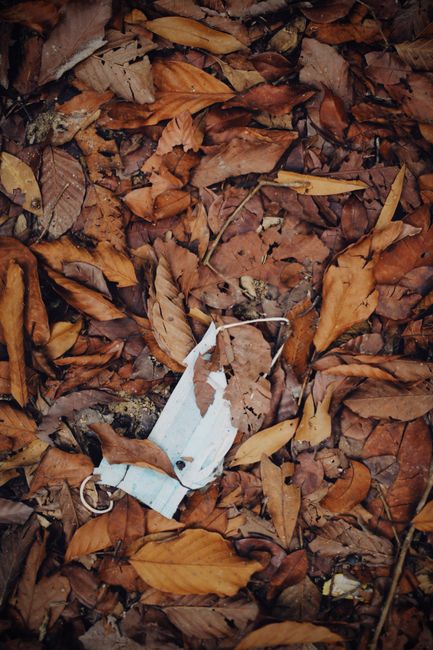
Seasonal timing matters too. In early spring, you are often dealing with the first big tidy after winter. By late spring and summer, it is grass clippings, prunings, and fast-growing shrubs. Autumn brings the heavy leaf fall, and winter tends to be the clear-out phase, when people finally deal with branches, dead plants, and broken outdoor bits that have been nagging at them for months. Different seasons create different waste profiles, and that changes how you should sort, store, and schedule collection.
There is also a practical cost angle. If you wait until waste is piled high, you may need more labour, more bags, or a larger collection than you would have needed if you dealt with it in smaller stages. That is where seasonal planning really pays off. A bit of organisation now can save a fair amount of hassle later.
Expert summary: The best garden waste strategy in Brimsdown is not just "get rid of it"; it is "manage it steadily through the year so collection stays simple, safe, and affordable."
How Garden Waste Rubbish Collection Brimsdown Season Tips 2026 Works
At its simplest, garden waste collection means separating organic outdoor waste from general rubbish and arranging for it to be removed, recycled, or processed correctly. In practice, the experience depends on the amount of waste, the type of material, and how quickly you want it gone.
For lighter household clearances, people often bag or bundle waste so it can be collected in an orderly way. For larger clear-outs, such as after landscaping, hedge reductions, or post-storm cleanup, a larger collection or mixed waste removal may be more suitable. If you are clearing more than just garden material, it can be worth reviewing broader waste removal support in Enfield so the job is handled as a single, tidy process rather than as several awkward little piles.
The seasonal part is really about timing and preparation. For example, in wet weather, green waste can become heavier and smellier, and leaf piles can compact into slippery mats. In warmer months, waste can dry out, blow around, or attract insects if left too long. A simple rule helps: collect more often during growth-heavy seasons, and clear promptly after major pruning, mowing, or storm damage.
Most homeowners also find it useful to separate material into sensible groups:
- Soft green waste: grass, leaves, weeds, plant cuttings
- Woody waste: branches, hedge trimmings, shrub cuttings
- Mixed garden debris: soil, roots, broken pots, old edging, and similar items
That separation makes collection cleaner and usually easier to price. It also helps avoid the "I thought this was all garden waste" moment when there are bricks, turf, and half a planter hiding in the pile. Happens more than people admit.
Key Benefits and Practical Advantages
There are a few strong reasons to stay on top of seasonal garden waste collection, and they are not just about appearances.
A tidier garden, sooner
Regular collection keeps paths clear, lawns usable, and borders looking neat. If you are trying to make a small garden feel bigger, a clean edge and empty corner can make a surprising difference.
Lower risk of pests and damp smells
Stacked green waste can hold moisture and become unpleasant, especially after rain. It can also attract insects or encourage mould if left too long in a sheltered spot.
Less manual stress
Breaking the task into seasonal stages is easier on your back, your bins, and your patience. Truth be told, many people do not need a bigger garden bin; they need a better rhythm.
Better recycling outcomes
When garden waste is sorted properly, it is more likely to be handled in a way that supports recycling and sustainability. If you are interested in the bigger picture, it is worth looking at the company's approach to recycling and sustainability as part of a responsible disposal mindset.
More predictable planning
Seasonal collection gives you a structure. Instead of waiting until the garden looks overwhelming, you can plan around pruning windows, school holidays, or the weekends when you actually have time. Small point, but it matters.
Who This Is For and When It Makes Sense
This kind of seasonal approach suits a lot of Brimsdown residents, but especially:
- homeowners with shrubs, hedges, or larger lawns
- tenants who are responsible for small outdoor spaces
- landlords preparing a property for new occupants
- busy families trying to keep outdoor areas usable
- people doing a one-off garden refresh after months of neglect
- anyone who has just completed planting, pruning, or turf work
It also makes sense if your garden waste starts taking over household bins. Once you are squeezing hedge clippings beside general rubbish, the system has already started to fail.
For some readers, the tipping point is seasonal. For others, it is event-driven. A post-party garden clean-up, a property sale, or a new patio project can all create the same issue: waste appears suddenly and in awkward quantities. If that sounds familiar, planning a collection early is usually the easiest route. It may also be worth reading about what to know about Enfield council rubbish rules so you can separate what belongs in garden waste from what should be handled another way.
Step-by-Step Guidance
Here is a practical process you can follow through 2026, whether you are doing a light tidy or a bigger seasonal clear.
- Walk the garden first. Do a slow sweep. Look for grass clippings, dead plants, weeds, branch cuttings, and hidden debris tucked behind fences or pots.
- Separate waste by type. Keep soft green waste apart from woody material and non-organic debris. It saves time later and makes collection cleaner.
- Check for contamination. Remove stones, plastic ties, plant labels, broken terracotta, and old compost bags where possible.
- Cut awkward items down to size. Long branches and bulky hedge trimmings are easier to collect when trimmed into manageable sections.
- Use the right bags or bundles. Strong, well-tied bags or tidy bundles reduce mess. Do not overfill them; lifting is where things go wrong.
- Store waste in a dry, accessible spot. A side return, driveway edge, or sheltered area is better than leaving it right on the lawn during wet weather.
- Book the right collection type. If the load is small, a simple garden waste pickup may be enough. If it includes mixed debris, consider a wider service so it is handled properly.
- Confirm timing before the waste builds up. Collection is easiest when the pile is ready but not sitting around for ages. Timing really is half the battle.
If you need a broader household or outdoor clear-out at the same time, a service such as rubbish collection in Enfield can help you keep everything moving with less back-and-forth.
Expert Tips for Better Results
These are the little things that make seasonal garden waste management smoother. Not glamorous, but effective.
Collect after the job, not before it
It sounds obvious, but people often book collection too early and then create a second pile after the gardener leaves. Wait until pruning, mowing, and edging are finished. Then assess the real volume.
Use seasonal weather to your advantage
On a dry, mild day, waste is lighter and easier to handle. After a long spell of rain, everything gets heavier and more awkward. If you can choose your timing, choose the dry spell. Your wrists will thank you.
Keep a running "green waste corner"
Instead of letting waste spread across the garden, keep it in one designated place. That makes collection simpler and helps you see how much you have at a glance.
Plan around growth cycles
In spring and early summer, many gardens need more frequent attention. In autumn, the leaf load can surge fast. A small monthly clear-out during those periods often works better than one giant annual effort.
Think about access
Collection is much easier when the waste can be reached without dragging bags through the house or over delicate planting. Narrow side passages, steps, and gates all matter. Little detail, big difference.
If you are comparing services or want to understand what you are paying for, the page on pricing and quotes is a useful place to start, especially when the job size is not yet fixed.
Common Mistakes to Avoid
Most garden waste headaches come from the same few mistakes. Once you know them, they are easy enough to avoid.
- Mixing everything together. Garden waste, general rubbish, and building material are not the same thing. Mixing them can complicate collection and sorting.
- Leaving waste out too long. A pile of wet clippings can become slimy, heavy, and unpleasant. It is not one of life's nicer smells.
- Overfilling bags. Heavy bags tear, split, or become impossible to move safely.
- Ignoring branch size. Long sticks and awkward limbs can take far more space than expected.
- Forgetting hidden debris. Broken pots, trellis offcuts, and old planter soil often get missed until the end.
- Assuming council-style collection fits every job. It may work for some households, but not always for bigger seasonal clear-outs or mixed loads.
There is one more mistake worth calling out: trying to do too much in one go. It feels productive at the start, then you are standing in the garden at dusk with sore hands and a half-finished pile. Split the task if you need to. No shame in that.
Tools, Resources and Recommendations
You do not need a huge kit to manage garden waste well, but a few practical tools make the job easier.
- Heavy-duty garden sacks for leaves, weeds, and soft cuttings
- Loppers or secateurs for reducing branch size
- A rake for gathering leaves efficiently in autumn
- Work gloves to protect hands from thorns, rough bark, and hidden debris
- A tarp or sheet for moving lighter waste in one go
- A broom or brush for cleaning patios and paths after the main clear-up
For larger jobs, it is often worth checking whether you need a dedicated garden waste removal service in Enfield rather than trying to shoehorn the whole thing into ordinary bins. That is especially true after hedge reductions, landscaping work, or a big autumn leaf drop.
If your project is more than just green waste - for example, if you have old fencing, sleepers, or other heavier outdoor material - then builders waste disposal in Enfield may be more relevant. Many people miss that distinction, and it leads to avoidable delays.
For background on the company itself, their about us page is a straightforward way to get a feel for how they work and what kind of service approach they offer.
Law, Compliance, Standards, or Best Practice
When disposing of garden waste, the main thing is to handle it responsibly and avoid mixing it with items that belong in a different waste stream. In the UK, local authorities and private waste operators generally expect waste to be presented honestly and safely for collection. That sounds dry, but it matters because contamination can create handling problems later.
Best practice is simple:
- keep garden waste separate from household rubbish where possible
- avoid putting soil, rubble, or sharp material into soft green waste bags unless the service allows it
- do not leave waste where it blocks pavements, access routes, or shared spaces
- make sure bags are secure and liftable
- choose a provider or collection method that explains what it will and will not take
If you are unsure how a particular load should be handled, it is better to ask before collection than after. That small conversation can save a lot of awkwardness. And maybe a second trip. Nobody likes those.
For readers who want a broader understanding of how the company approaches safe work and responsible disposal, the insurance and safety page can be helpful context.
Options, Methods, or Comparison Table
Not every garden waste problem needs the same solution. The table below compares the most common approaches in a practical way.
| Method | Best for | Pros | Drawbacks |
|---|---|---|---|
| Small-scale bagged collection | Light weekly or fortnightly garden tidy-ups | Simple, neat, flexible | Can be slow for bigger clear-outs |
| Seasonal bulk collection | Autumn leaves, hedge cuts, spring resets | Good for larger volumes, less repeated effort | Needs planning and clear access |
| Mixed waste removal | Garden jobs with extra debris or old outdoor materials | Convenient for one-off projects | Not ideal if waste is mostly green and separate |
| DIY bin-based disposal | Very small amounts only | No booking required, low effort at first | Limited capacity, can become messy fast |
For many Brimsdown households, the best answer is a mix: small tidy-ups through the season, then one larger collection after major pruning or leaf fall. That rhythm keeps the garden in check without turning it into a project.
Case Study or Real-World Example
Picture a fairly ordinary Brimsdown back garden in late October. Nothing dramatic. A medium hedge has been trimmed, the lawn has been cleared twice in the month, and the sycamore leaves keep drifting in from next door. At first, the waste looks manageable. A couple of sacks here, a bundle there.
Then rain arrives. The leaves get wet, stick together, and turn into a much heavier load. The hedge cuttings take up more space than expected because they were never cut down. By the weekend, the owner has three separate piles and no clear plan.
What works better? They sort the waste into soft green material and woody cuttings, place everything in one accessible corner, and book a collection before the pile becomes a proper nuisance. They also set a simple rule for the rest of the year: do not let garden waste sit for more than a week during heavy growth periods.
The result is not just a cleaner garden. It is less stress, fewer bags, and no last-minute scramble when the weather turns. A very normal win, but a real one.
Practical Checklist
Use this checklist before you book or arrange garden waste collection:
- Have I separated green waste from general rubbish?
- Have I removed stones, plastic, and non-organic debris?
- Are branches cut to a manageable size?
- Are bags or bundles secure and easy to lift?
- Is the collection point accessible?
- Do I know whether I have soft garden waste only, or mixed material too?
- Have I checked whether the job needs one-off or seasonal collection?
- Is the waste likely to sit out in rain, wind, or direct sun?
- Have I reviewed timing so the garden does not build up again immediately?
- Do I need a wider service for extra household items as well?
A good checklist sounds basic, but it stops silly problems. And silly problems are usually the expensive ones.
If you are trying to avoid surprise charges, it is also smart to read how to avoid hidden costs of rubbish collection in EN1 before you confirm anything.
Conclusion
Garden waste does not need to dominate your week. With a seasonal routine, a little sorting, and the right collection approach, Brimsdown homeowners can keep outdoor spaces neat without wasting time or money. The key idea behind Garden Waste Rubbish Collection Brimsdown Season Tips 2026 is simple: clear often, separate properly, and act before the pile grows teeth.
That applies whether you are dealing with spring hedge clippings, summer grass, autumn leaves, or a winter reset after months of "I'll get to it later." You will notice the difference quickly once the rhythm is in place. The garden looks better, feels easier to use, and stops nagging at you every time you glance out the kitchen window.
Get a free quote today and see how much you can save.
And if you want the job done without turning your Saturday into a full-blown green waste marathon, a calm, well-timed collection is often the nicest solution of all.

 Tipper Van - Rubbish Collection and Waste Disposal Prices in Enfield, EN1
 Luton Van - Rubbish Collection and Waste Disposal Prices in Enfield, EN1